Keratoconus, often referred to as “KC,” is a non-inflammatory eye condition in which the typically round dome-shaped cornea progressively thins and weakens, causing the development of a cone-like bulge and optical irregularity of the cornea. This causes “static” in your vision and can result in significant visual impairment.
Dr. Rajesh Rajpal, MD, Dr. Christine Tagayun, MD, Dr. Gitanjali Baveja, MD, Dr. Soraiya Thura, MD, and the team at See Clearly Vision have treatment options available, including iLink™ corneal cross-linking, to defer the need for a corneal transplant and have produced successful results for our patients. Additionally, Dr. Dawn Williams, OD, and Dr. Christine Wisecarver, OD, have an expertise in fitting specialty contact lenses for our Keratoconus patients both before and after their cross-linking procedure.
What are the Symptoms of Keratoconus?
Keratoconus typically first appears in individuals who are in their late teens or early twenties, and may progress for 10-20 years and then slow or stabilize. Each eye may be affected differently. In the early stages of keratoconus, people might experience:
- Slight blurring of vision
- Distortion of vision
- Increased sensitivity to light
The cornea is responsible for focusing most of the light that comes into the eye. Therefore, abnormalities of the cornea, such as keratoconus, can have a major impact on how an individual sees the world, making simple tasks such as driving a car or reading a book very difficult.1
Keratoconus:
- Can result in significant vision loss
- May lead to corneal transplant in severe cases
- Affects both males and females
- Affects all ethnicities
- 10% of people with KC have affected relatives
- People with Down syndrome are 20 times more likely to be affected
You can find more information from the National Keratoconus Foundation at www.NKCF.org.
1. National Keratoconus Foundation.
iLink™ Corneal Cross-linking to Treat Keratoconus
iLink™ corneal cross-linking is a minimally invasive outpatient procedure that combines the use of ultraviolet light and specially formulated eye drops to stiffen and strengthen corneas that have been weakened by disease or refractive surgery. Cross-linking is considered the standard of care around the world for progressive keratoconus and corneal ectasia following refractive surgery.2
Is iLink™ Covered by Insurance?
The medical necessity of iLink™ has become widely recognized. As a result, commercial insurance coverage for the procedure is now over 95% in the United States.
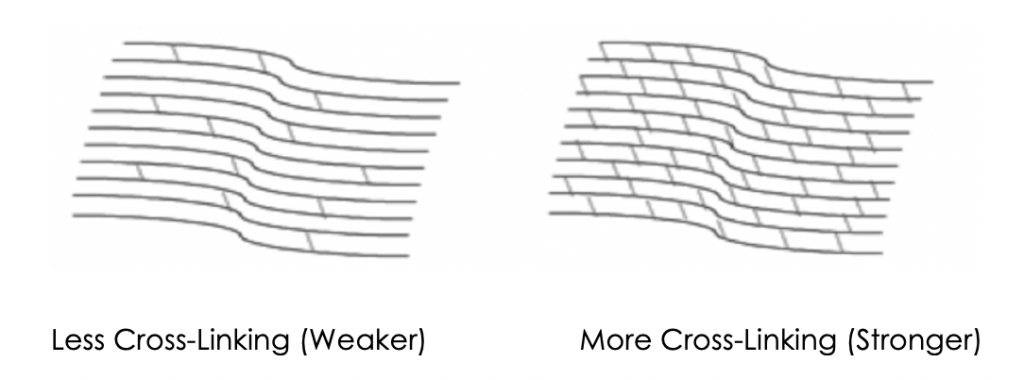
Corneal Cross-Linking3
- Leads to the stiffening of the cornea
- Creates new corneal collagen cross-links
- Results in a shortening and thickening of the collagen fibrils
Riboflavin
Under the conditions used for iLink™ corneal cross-linking, specially formulated pharmaceutical-strength riboflavin eye drops called Photrexa® (riboflavin 5’-phosphate ophthalmic solution) and Photrexa® Viscous (riboflavin 5’-phosphate in 20% dextran ophthalmic solution) help enable the cross-linking reaction.
Ultraviolet Light (UV)
iLink™ corneal cross-linking applies an artificial source of ultraviolet light from a machine called the KXL System once the cornea has been soaked in the Photrexa® and Photrexa® Viscous eye drops. This process works to stiffen the cornea by increasing the number of molecular bonds, or cross-links, in the collagen.
Combining Riboflavin and UV Light
Using Photrexa® and Photrexa® Viscous riboflavin eye drops, combined with ultraviolet light from the KXL system, the iLink™ procedure stiffens and strengthens the cornea to slow or halt progressive keratoconus.
Is Cross-Linking Right for Me?
Patients who have been diagnosed with progressive keratoconus or corneal ectasia following refractive surgery should ask their doctor about iLink™ corneal cross-linking.
Our practice is proud to offer patients the first and only FDA-approved therapeutic solution for the treatment of progressive keratoconus. Now, patients who once had little to no therapeutic option to treat keratoconus have the opportunity to slow or halt the progression of this sight-threatening disease.
For more information about the iLink™ procedure for the treatment of keratoconus and corneal ectasia following refractive surgery, visit livingwithkeratoconus.com.
Frequently Asked Questions
Click here to access the FAQs about iLink™ corneal cross-linking.
2. Gomes JAP, Tan D, Rapuano CJ, et al. Global consensus on keratoconus and ectatic diseases. Cornea. 2015;34(4):359-369.
3. Beshwati IM, O’Donnell C, Radhakrishnan H. Biomechanical properties of corneal tissue after ultraviolet-A-riboflavin crosslinking. J Cataract Refract Surg. 2013;39(3):451-462.
Now Offering Epioxa™
In addition to traditional corneal cross-linking, we also offer Epioxa™, a newer, less invasive (epithelium-on) and FDA-approved treatment option designed to strengthen the cornea with improved comfort and recovery. Ask our team if this option may be right for you.
Why Choose See Clearly Vision for Your Keratoconus Treatment?
Dr. Rajesh Rajpal, MD, Dr. Christine Tagayun, MD, Dr. Gitanjali Baveja, MD, Dr. Soraiya Thura, MD, are a few of the only doctors in the DC Metropolitan area who specialize in iLink™ corneal cross-linking, and newer, less invasive options like Epioxa™. Our team will work closely with you to figure out the best plan for your Keratoconus treatment.
Additionally, Dr. Dawn Williams, OD, and Dr. Christine Wisecarver, OD, have an expertise in fitting specialty contact lenses for our Keratoconus patients both before and after their cross-linking procedure.
When it comes to choosing a practice that will help you manage your symptoms and customize your treatment plan, choose See Clearly Vision.
Schedule an appointment at See Clearly Vision in Arlington or McLean, VA, today!